Select any of these retailers to purchase the DAB EsyBox directly. Delivery Australia wide.


Water pressure inconsistencies can disrupt daily routines, from an interrupted morning shower to inconsistent water flow during crucial business operations. If you’ve ever wondered why water pressure fluctuates and how to address it, this article dives deep into the causes and presents modern solutions.
In many modern homes, water is sourced from a single main supply. When multiple outlets tap into this supply simultaneously, the demand can outstrip the available flow. This is especially true in homes with high-flow showers, multiple bathrooms, and modern appliances that require significant water input.
Consider a scenario where three family members are taking showers in different bathrooms, someone is running the dishwasher, and another is using the garden hose outside. The combined demand from all these sources can lead to noticeable drops in water pressure, especially if the home’s plumbing isn’t designed to handle such simultaneous high demand.

As plumbing systems age, they can develop a range of issues that impact water pressure. Mineral deposits from hard water can accumulate inside pipes, narrowing their diameter and restricting flow. Additionally, old pipes, especially those made from materials like galvanized steel, can corrode over time. This not only restricts flow but can also lead to leaks, further reducing water pressure.

At peak times, when an entire community draws water, the main supply might struggle to keep up, leading to pressure drops. The water pressure in your home is often directly linked to the municipal supply. During times of peak demand in the community, such as early mornings or late evenings, the main supply can become strained. This is especially true in densely populated areas or during events that draw large crowds.

Pressure regulators play a crucial role in maintaining consistent water pressure in homes. They work by reducing the pressure from the main supply to a level that’s safe and consistent for home use. However, like all mechanical devices, they can wear out or malfunction. When this happens, you might experience sudden drops in pressure or even spikes that can damage appliances.
Regularly checking and, if necessary, replacing your pressure regulator can ensure consistent water pressure. It’s also wise to be aware of the signs of a failing regulator, such as erratic pressure or noticeable hammering sounds in the pipes.
Over time, foreign materials, sediment, or mineral deposits can accumulate inside pipes or valves. This is especially common in areas with hard water, where mineral deposits can quickly build up. These blockages restrict the flow of water, leading to reduced pressure. In severe cases, these blockages can lead to complete stoppages.

Before diving into the specifics of modern booster sets, it’s essential to understand their fundamental role in water systems. A booster set is designed to optimise water pressure, ensuring it remains consistent regardless of external factors or demands.
At its core, a booster set is a machine that increases the pressure of the water flowing through it. When water pressure from the main supply is insufficient, the booster set kicks in, amplifying the pressure to the desired level. This ensures that whether you’re on the ground floor or the top floor of a building, the water pressure remains consistent.
Moreover, booster sets are not just reactive; they’re proactive. They don’t just respond to low pressure but work continuously to maintain an optimal pressure level. This is especially crucial in scenarios where consistent water pressure is vital, such as in multi-story buildings, hotels, or industries.
With this foundational understanding, let’s explore how the latest advancements in booster set technology are addressing the challenges of inconsistent water pressure:
Modern booster sets are not just about increasing water pressure; they’re about doing it efficiently, sustainably, and intelligently. Here’s a closer look at how they’re achieving this:
In the past, booster sets often required various external components to function optimally. This not only increased the complexity of installation but also the chances of something going wrong. Contemporary booster sets have revolutionised this by integrating all necessary components into a single unit. This includes pressure sensors, check valves, expansion vessels, and even displays.
Benefit: The result is a streamlined system that’s easier to install, maintain, and troubleshoot, ensuring consistent performance and longevity.
Traditional pumps operate at fixed speeds, which can lead to inefficiencies, especially during times of low demand. VFDs, however, allow the pump to adjust its speed based on the real-time water demand.
Benefit: This dynamic adjustment ensures that the pump only uses the energy it needs, providing consistent water pressure without overworking the system or wasting electricity.
Flexibility is key in modern water systems. Some advanced booster sets are designed to allow the connection of multiple pumps in a modular fashion. This means that as demand increases, additional pumps can be added to the system without a complete overhaul.
Benefit: This modular approach ensures that the system can handle peak demands, such as during morning routines in large households or during business hours in commercial settings.
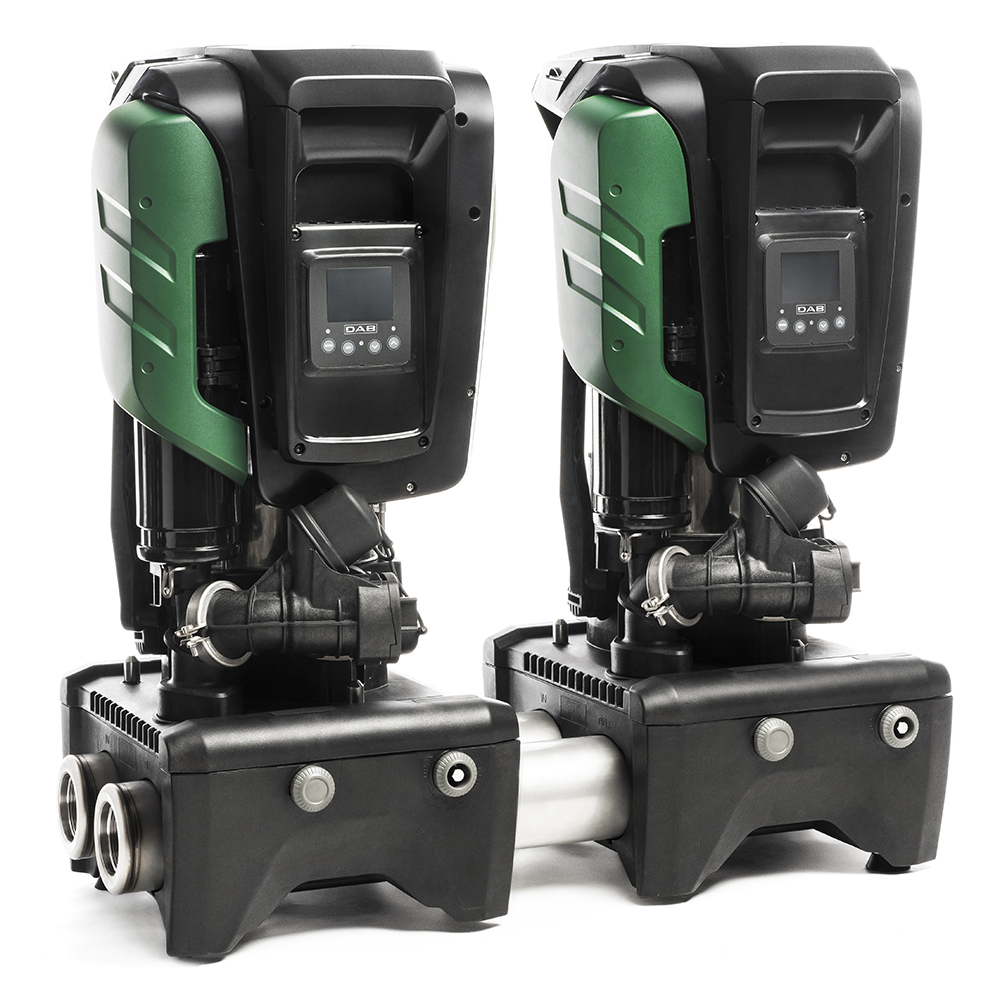
The digital age has brought about the ability to monitor and control devices remotely. Modern booster sets come equipped with connectivity features that allow users to monitor system performance from smart devices or computers.
Benefit: This real-time monitoring means that potential issues, such as drops in pressure or system malfunctions, can be detected and addressed promptly, often before they escalate into bigger problems.

Sustainability is a growing concern in all industries, and water management is no exception. Modern booster sets are designed to optimise performance while minimising energy consumption. This is achieved through features like VFDs and smart sensors that adjust operations based on demand.
Benefit: The result is a system that delivers consistent water pressure while reducing energy bills and environmental impact.
Gone are the days of complex interfaces or interfaces that offer little to no information and adjustment capabilities. Today’s booster sets come with intuitive LED displays that provide real-time data on water pressure, system status, and even potential issues.
Benefit: These user-friendly interfaces empower users, allowing them to monitor their system’s performance and make necessary adjustments, ensuring optimal water pressure and system longevity.

By embracing these advanced features, homeowners and businesses can ensure a reliable, efficient, and sustainable water supply, meeting the demands of modern living and working environments.
In conclusion, while various factors can cause inconsistent water pressure, the solution often lies in modern technology and regular maintenance. By understanding the causes and embracing advanced booster sets, you can ensure consistent water pressure for your home or business.
